
Neurodiversity Celebration Week – 18-24 March 2024
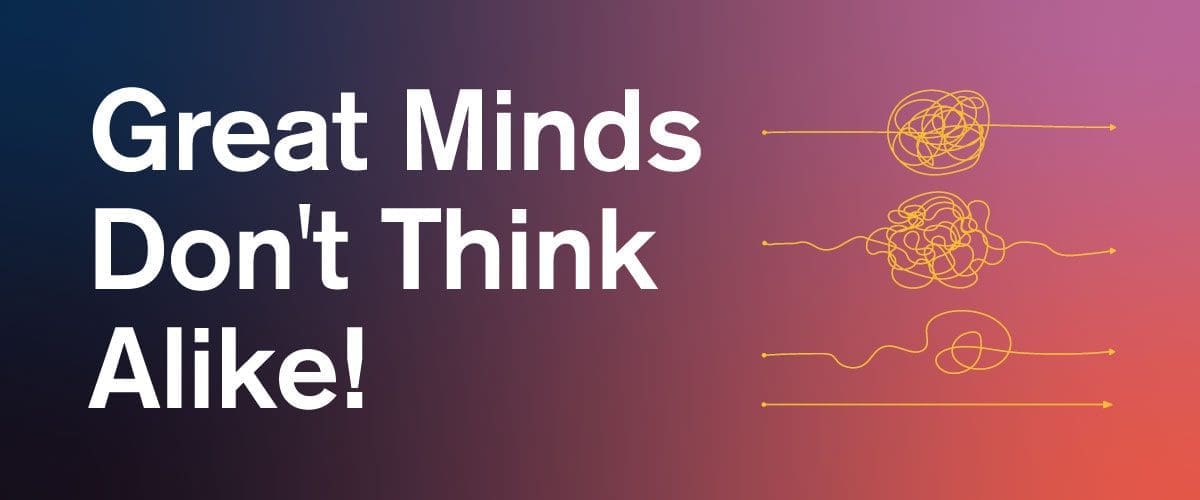
This week we’re celebrating different minds as part of Neurodiversity Celebration Week 2024! This worldwide initiative challenges stereotypes and misconceptions about neurological differences, embracing neurodiversity for a richer and more inclusive society.
Neurodiversity recognises and welcomes natural variations in how individuals think, move, process information, and communicate. It includes Dyslexia, Dyspraxia, Dyscalculia, Autism and ADHD and it’s estimated that in the UK between 15-20% of people are neurodivergent.
Common Neurodiverse Traits and Strengths
Everyone is unique, and shared characteristics differ from one person to another…
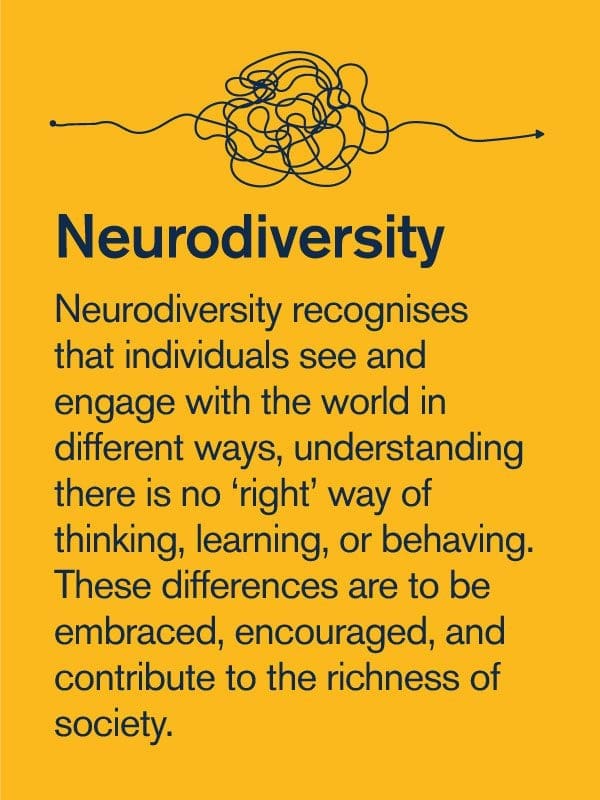
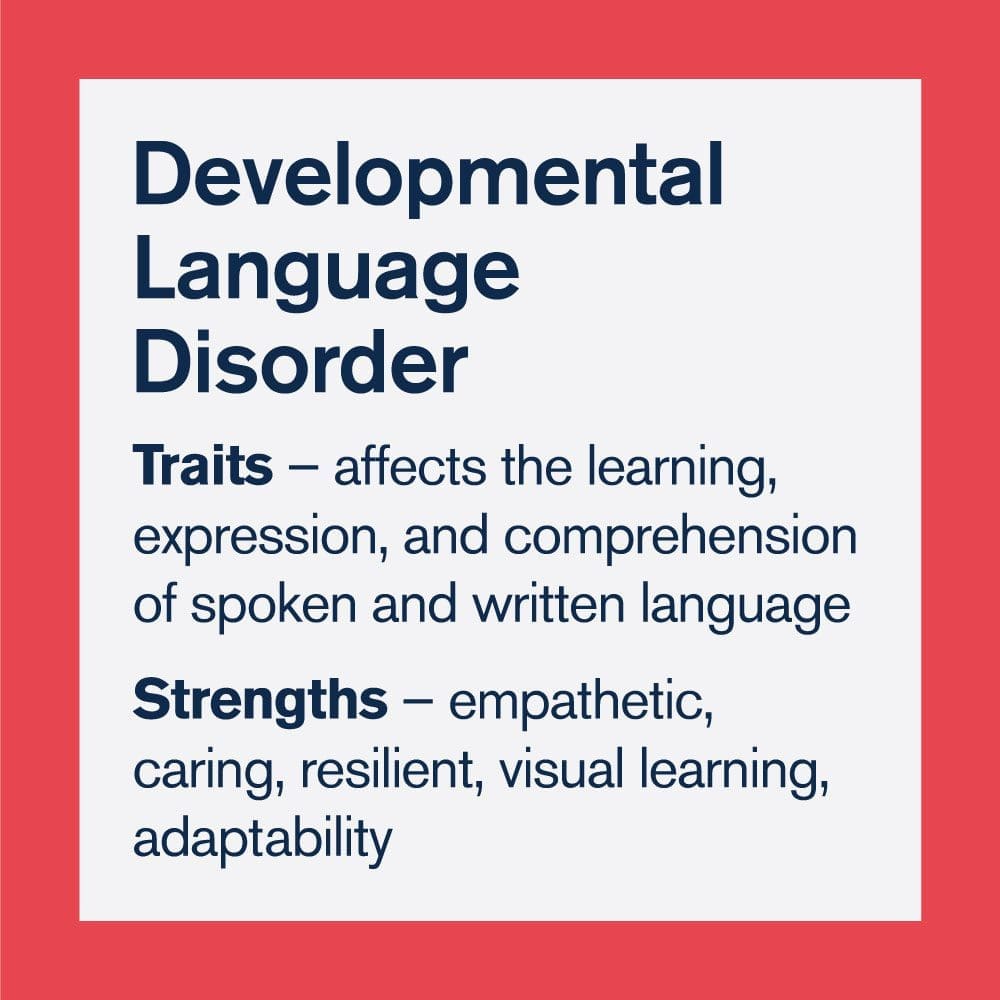
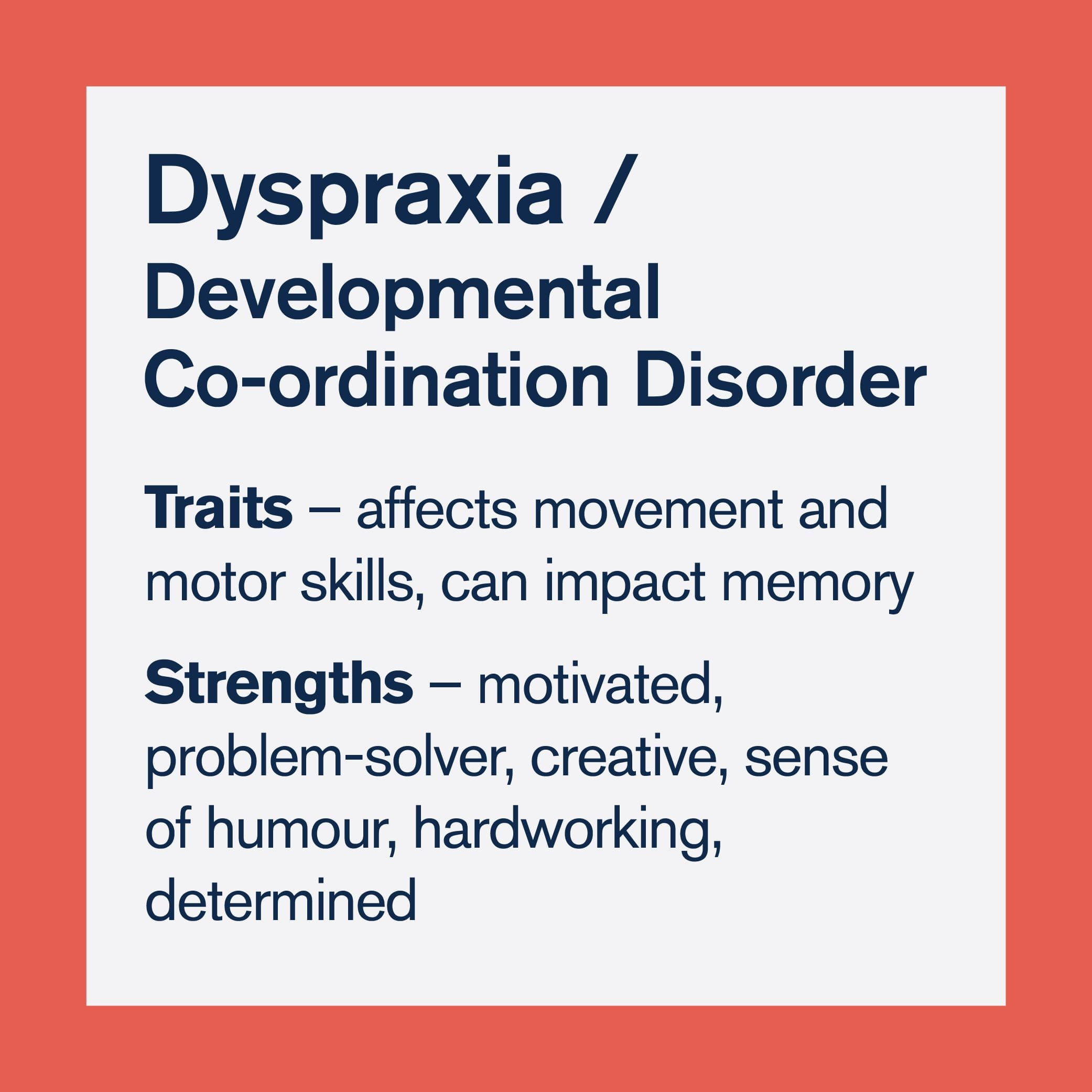
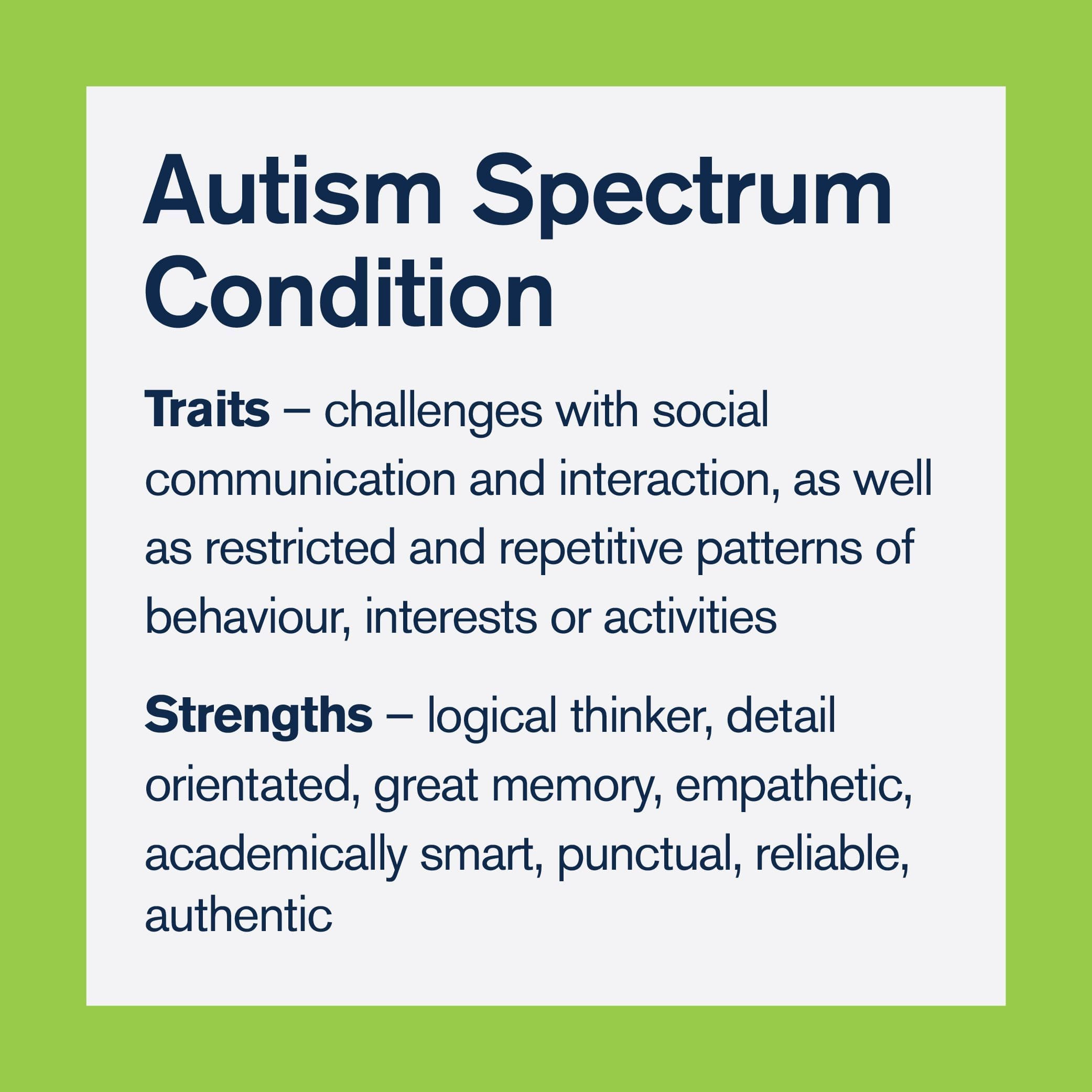
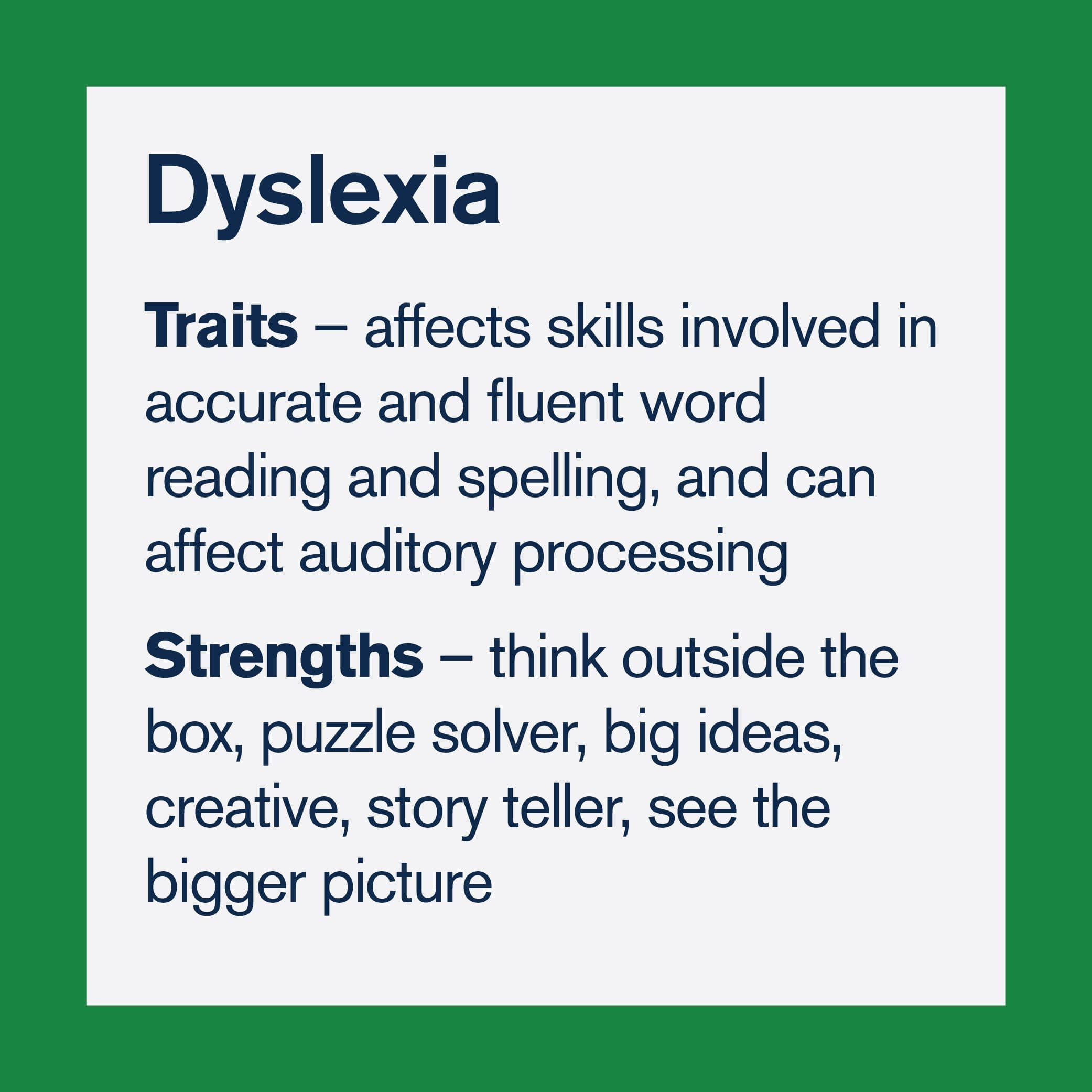
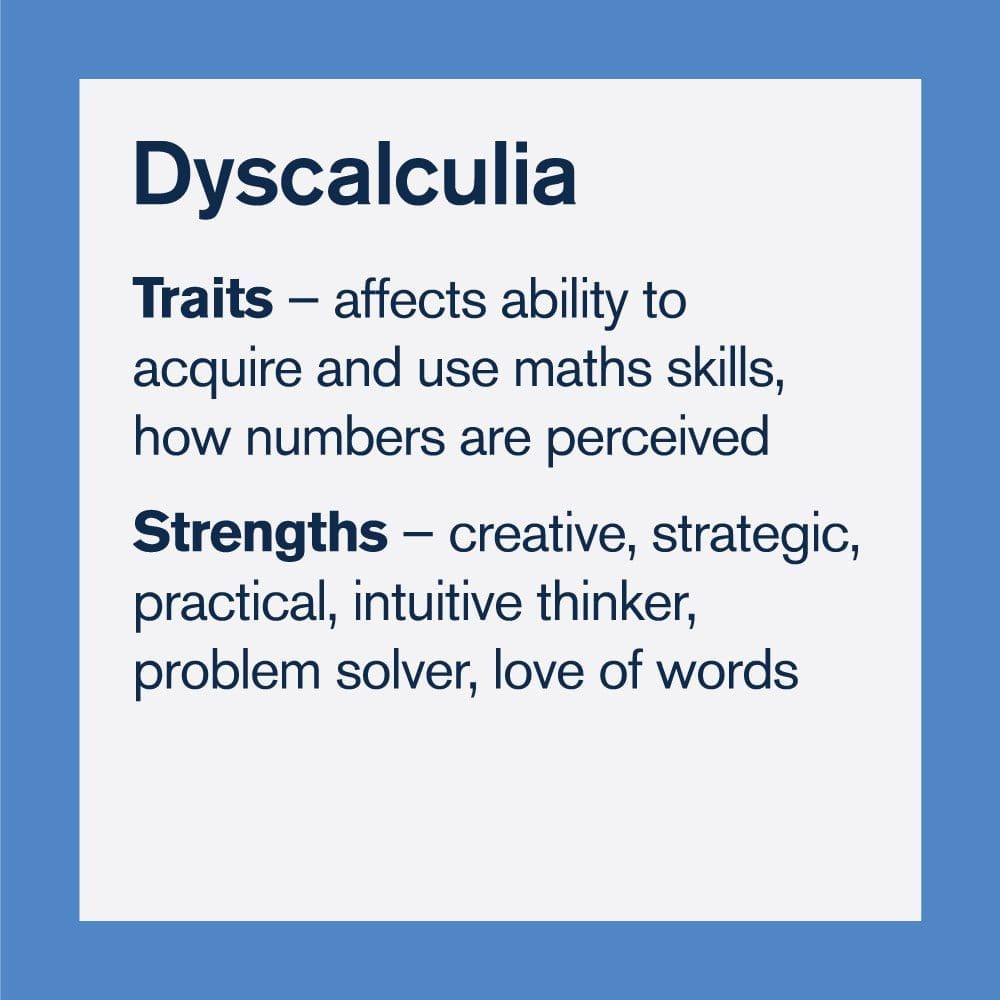
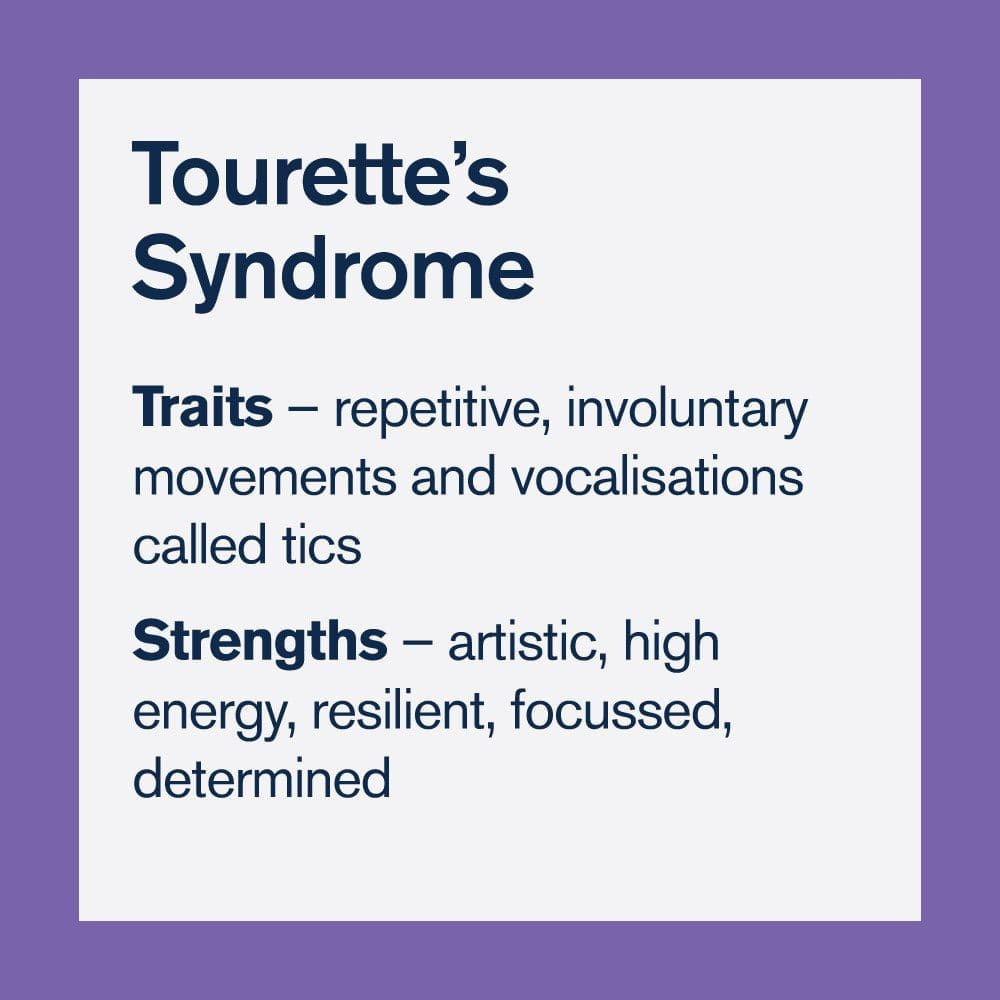
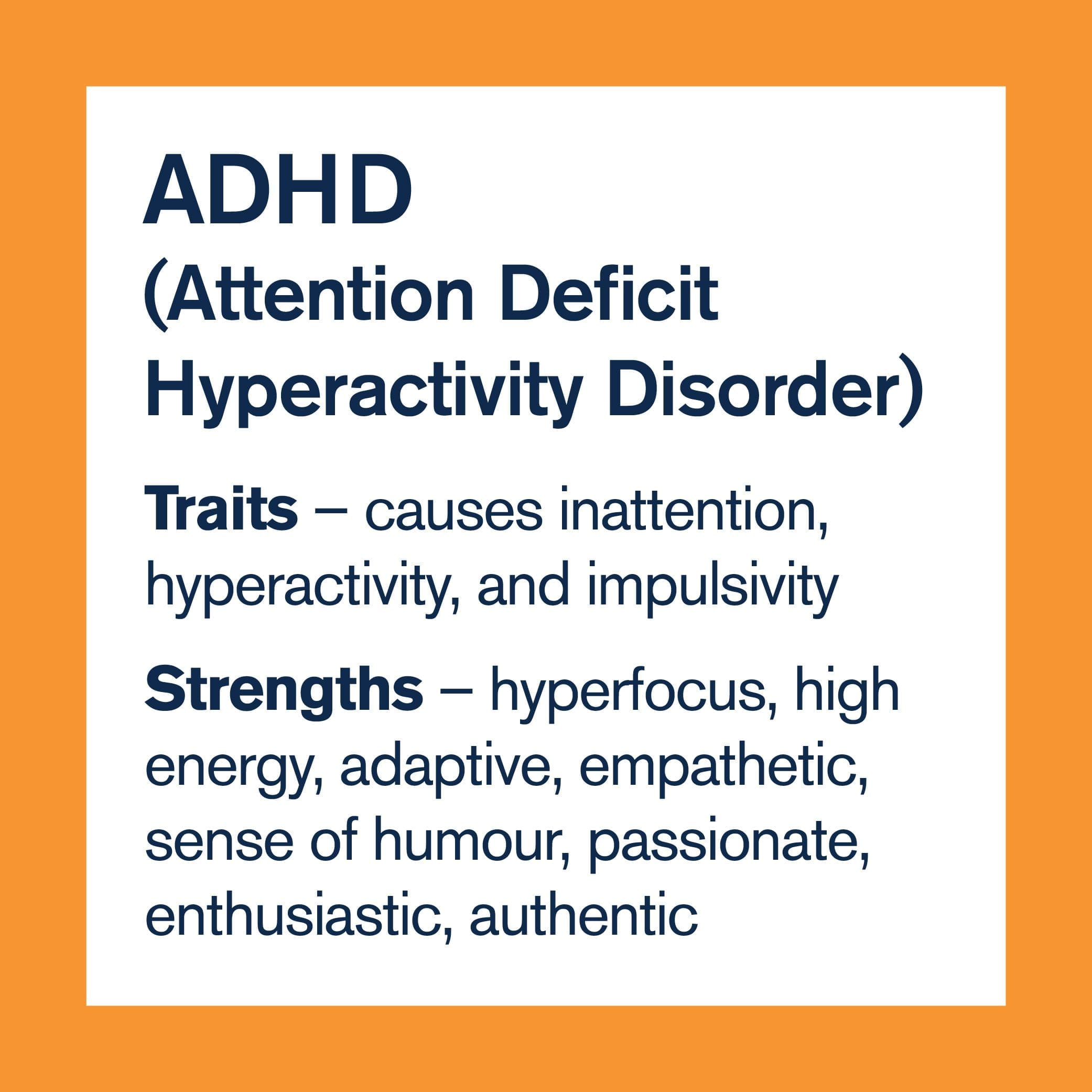
Join us as we share some insights and tips to help you navigate and support yourself and others better.
Here at LearnTech we understand the challenges that neurodivergent learners and staff face. Nicole, our Special Educational Needs (SEN) Lead, shares her thoughts…
In my role as SEN Lead, I work with many different people, (learners and staff members alike), supporting them by ensuring all materials and resources are accessible and inclusive.
Having ADHD myself, I understand some of the difficulties neurodiverse people face. At LearnTech, we strive to be accessible and inclusive to all, and believe that everyone has the right to excellent quality education. Around 5-10% of our learners and staff members are neurodiverse, so ensuring inclusivity is vital.
Neurodiversity embodies many fantastic qualities, including attention to detail, empathy, authenticity, creative thinking, and problem-solving skills. I’m proud to work for a training provider that’s keen to support all learners to achieve amazing outcomes.
In this current academic year, 78% of our learners who have additional learning support needs have achieved a distinction in their apprenticeship, with 22% achieving a pass and we’re so very proud of their achievements.
Our Director of Education, Katie, who has ADHD and Dyslexia has spent years testing strategies to effectively navigate her challenges, achieving success both personally and professionally. Below she shares some of her challenges and solutions and while your journey with neurodiversity is unique, consider exploring these insights to discover what connects with you…
Staying on course
Transferring notes
Finding the right words
Absorbing text
Trouble remembering what you’ve just read? Try listening to audio whilst reading the text. This dual approach ensures that if you miss something while reading, you may pick it up through listening, covering both bases effectively. ‘Read it and hear it’ can work wonders!
Managing distractions
Battling notifications
Self-awareness
Speaking up
Share your thoughts! Don’t be afraid to have open and honest communications with your colleagues. Say if you’re struggling and need support. This works both ways and colleagues will seek your help when they need it. Teamwork and mutual support are essential for achieving goals.
Beating boredom
Can’t stick to one thing for very long? No problem! Have several hobbies or tasks on the go. You can switch easily between them when one loses your interest, helping you maintain enthusiasm and then revisit unfinished tasks later with renewed energy.
Katie’s final words of advice are…
- Misdiagnosis or late diagnosis – the lack of the right support can have mental health repercussions. If you suspect you’re neurodivergent seek help from qualified professionals.
- Self-reflection is a hugely valuable tool for improving self-awareness and strategies for working and learning. Keep a journal – try it!
- Don’t hesitate to tell your colleagues, manager, or HR team what you need to thrive.
- Understand that finding effective strategies may involve trial and error. What works for others, may not work for you. Discuss with others and continue exploring different approaches that could benefit you.
For further information, advice, and resources about the specific neurodifferences visit Introduction | Neurodiversity Celebration Week (neurodiversityweek.com)
Understanding and embracing neurodiversity can lead to a more inclusive and supportive society that values and celebrates the strengths of everyone, regardless of their neurological differences. And one of the most important things to remember is there is no such thing as a ‘typical’ or ‘normal’ brain – everybody is unique and there is brilliance in every mind.
